01 / Research
South Africa's Commercial Energy Transition
How C&I operators are restructuring supply around tariff escalation and grid constraint.
NEAT Intelligence | September 2026 | South Africa
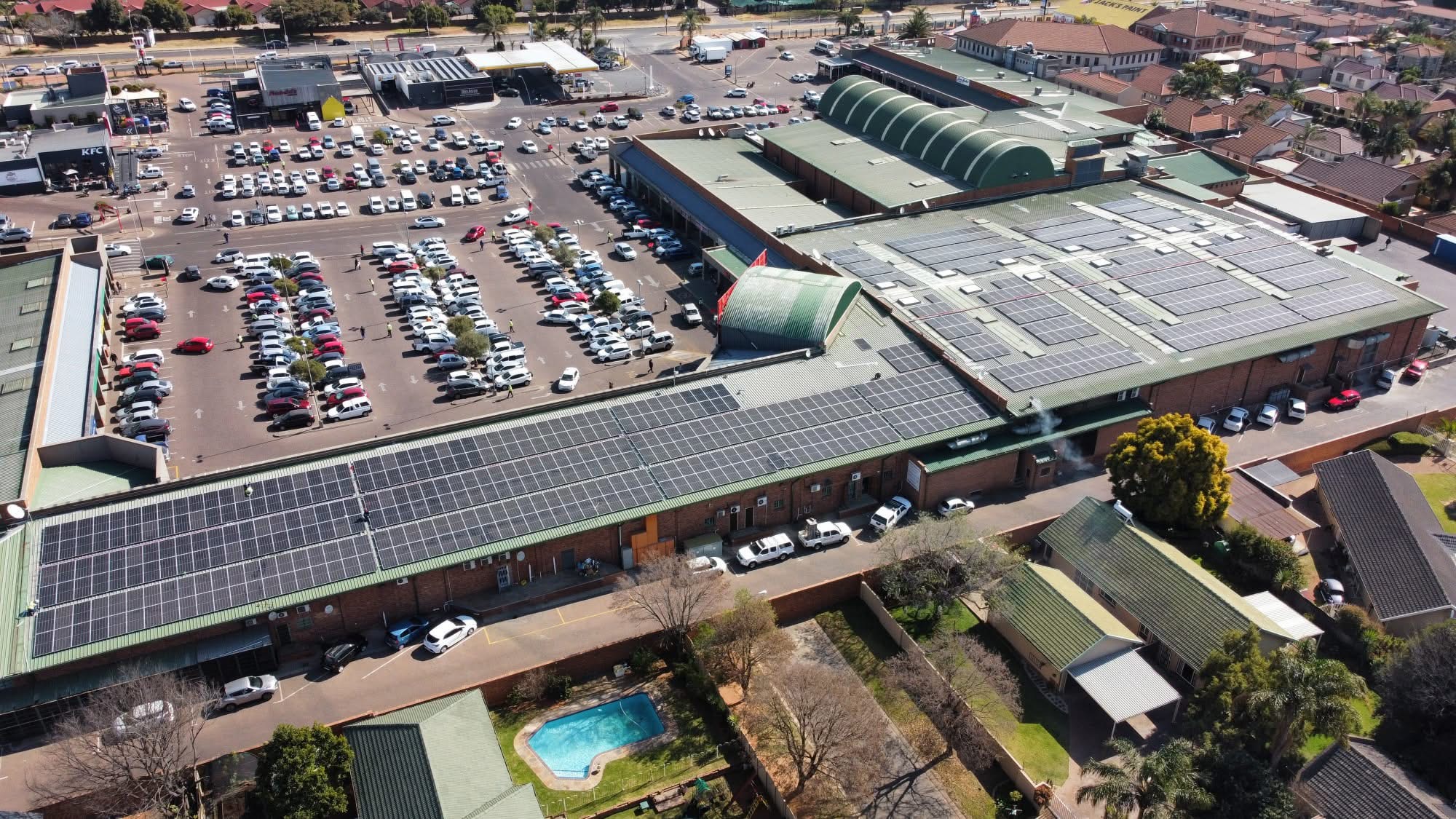
South Africa's commercial and industrial energy transition is entering a more mature phase. The immediate conversation is no longer only about surviving load shedding. For many businesses, the bigger question is how to control the long term cost, structure and availability of electricity in a market where tariffs continue to rise and grid capacity is becoming a scarce infrastructure resource.
Tariff Escalation
Tariff escalation remains the clearest economic pressure. Eskom direct customers received an average 8.76% increase from 1 April 2026, while municipal bulk tariffs increased by an average 9.01% from 1 July 2026. This follows several years of substantial increases, including 18.65% for Eskom direct customers in 2023/24 and 12.74% in both 2024/25 and 2025/26. The current regulatory path also points to an estimated 8.83% standard tariff increase for the 2027/28 financial year, following the phased recovery of additional revenue agreed between Eskom and NERSA.
For C&I operators, this changes the investment logic. A solar system or power purchase agreement is no longer being compared with a static grid price. It is being compared with a grid tariff that compounds over time, alongside exposure to demand charges, network charges and other fixed components. A project that looks only marginally attractive in year one can become significantly more valuable over a ten or fifteen year operating period if it reduces exposure to future tariff escalation.
The Changing Cost of Grid Supply
The tariff structure itself is also changing. Eskom has been moving towards more cost reflective and unbundled pricing, separating energy, network and capacity related charges more clearly. In the 2026/27 tariff year, the fixed portion of the Generation Capacity Charge for applicable tariffs increased from 20% to 30% as part of a phased restructuring. Eskom also makes clear that some capacity related costs remain applicable in wheeling and offset arrangements.
This matters because self generation does not make every grid related cost disappear. Businesses considering solar, storage or wheeling increasingly need to understand the full electricity bill, not simply compare one cents per kilowatt hour figure with another.
Grid Connection Constraints
At the same time, South Africa has a physical infrastructure constraint. Eskom's Generation Connection Capacity Assessment showed that conventional connection capacity had been depleted in major renewable energy areas including the Northern Cape, Western Cape and Eastern Cape. Curtailment has created additional room in some constrained areas, including 3,470 MW identified in the Western and Eastern Cape where generators accept limited curtailment, but the wider transmission challenge remains.
The scale of the required response is significant. South Africa's transmission planning has identified the need for more than 14,000 kilometres of new transmission lines over the coming decade to accommodate tens of gigawatts of new generation capacity. The buildout is increasingly important as private renewable generation, electricity trading and wheeling become larger parts of the national energy market.
The Rise of Hybrid Energy Strategies
This is shaping how commercial energy projects are being designed.
For businesses with suitable roofs, carports or adjacent land, behind the meter generation becomes particularly attractive because generation is located close to the load. Battery storage can increase the value of that generation by shifting solar energy into more expensive periods, reducing peak demand exposure and improving resilience during interruptions. Where on site generation cannot meet the full requirement, wheeling and third party PPAs can supplement the portfolio, allowing a business to procure electricity from generators located elsewhere.
The result is a move away from a single solution. Strong C&I strategies are increasingly hybrid: grid supply remains part of the system, while solar, storage, wheeled electricity, demand management and long term procurement contracts are layered around it. The objective is not necessarily to disconnect from the grid. It is to use the grid more strategically.
What This Means for C&I Operators
Grid constraint also changes project selection. A technically excellent renewable project is not automatically a viable project if it cannot secure connection capacity or move electricity to the intended customer. Developers and off takers therefore need to consider grid availability, connection studies, municipal requirements, wheeling arrangements and the customer's load profile much earlier in the development process.
South Africa's commercial energy transition is therefore becoming less about installing panels and more about restructuring electricity procurement. For C&I operators, the opportunity lies in understanding the interaction between tariffs, infrastructure, technology and finance, then building an energy portfolio that protects operating margins while keeping the business productive as the electricity market changes.
Sources & Further Reading
Planning your commercial energy strategy?
NEAT assesses, engineers and implements commercial and industrial energy infrastructure across Southern Africa.