02 / Regulation
Embedded Generation & NERSA
Licence-exempt does not mean compliance-exempt. What commercial operators need to know before connecting private generation to South Africa's electricity networks.
NEAT Intelligence | November 2026 | South Africa
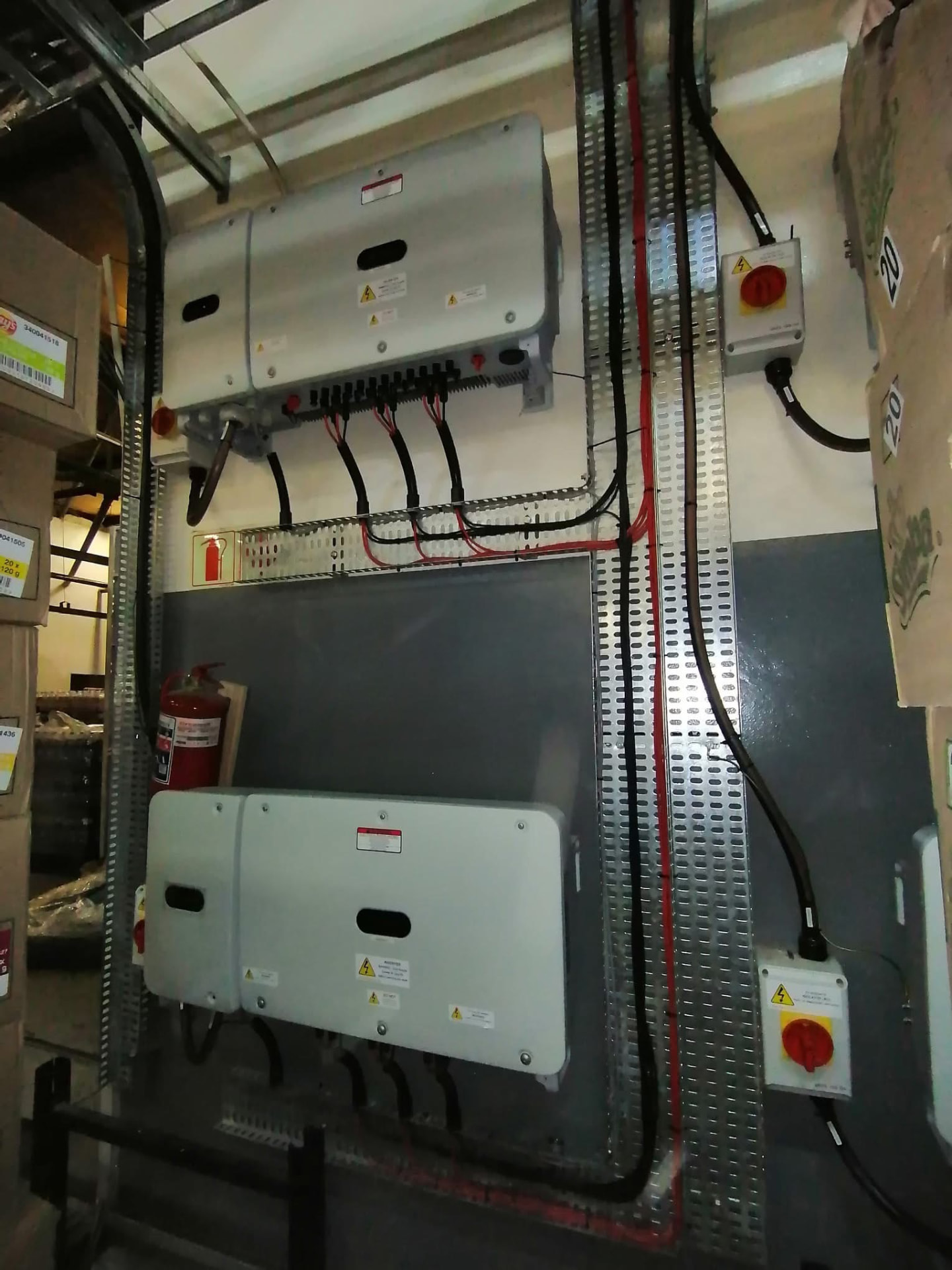
For South African businesses investing in private electricity generation, one of the most persistent misconceptions is that a project which does not require a generation licence is therefore largely unregulated.
That is not the case.
South Africa has substantially liberalised private electricity generation over the past several years. The former 100 MW generation-licensing threshold was removed, opening the market to significantly larger private generation projects.
But the removal of that threshold did not remove the requirements surrounding grid connection, registration, technical compliance and network approval.
For commercial and industrial operators, the distinction matters:
Licence-exempt does not mean compliance-exempt.
The 100 MW Licensing Threshold Is No Longer the Rule
South Africa's private-generation framework has changed materially.
In 2021, government increased the licensing exemption threshold for embedded generation from 1 MW to 100 MW.
That was an important reform, but it was not the final position.
Government subsequently removed the capacity threshold and amended Schedule 2 of the Electricity Regulation Act so that qualifying generation activities can be exempt from the requirement to hold a generation licence irrespective of project size.
The Electricity Regulation Amendment Act 38 of 2024 subsequently introduced further reforms to the national electricity regulatory framework and came into operation on 1 January 2025.
For project developers and C&I customers, the practical consequence is important:
100 MW should no longer be treated as an automatic dividing line between registration and generation licensing.
A project's regulatory pathway depends on its activity, connection arrangement, network interface and applicable exemption or registration provisions.
Size still matters operationally and technically.
It is simply no longer correct to say that a private generation facility automatically requires a generation licence merely because its capacity exceeds 100 MW.
Connection Is the Practical Starting Point
NERSA provided further clarification in February 2026.
The regulator stated that the registration requirement for embedded generation is determined primarily by:
- whether the facility has a point of connection to the electricity grid; and
- the installed capacity of the facility.
Importantly, the test is not simply whether electricity is exported.
A solar plant can be designed entirely for on-site consumption and still be subject to registration requirements because it remains electrically connected to the Eskom or municipal network.
This is especially relevant for behind-the-meter commercial solar.
The business may consume every kilowatt-hour generated on site, but the facility still operates electrically alongside the public network.
That network relationship is what makes connection approval and technical compliance important.
The Practical Registration Path
NERSA's February 2026 clarification establishes a useful operational distinction.
No Point of Connection
A generation facility with no point of connection to the public electricity network is generally exempt from the NERSA registration requirement.
This is the true off-grid scenario.
The facility may still need to comply with electrical safety, environmental, building, occupational health and safety or other applicable legislation, but it does not have the same embedded-generation registration requirement arising from connection to the electricity network.
Grid-Connected Systems Below 100 kW
NERSA's February 2026 guidance states that smaller embedded-generation facilities below 100 kW which have a point of connection should be registered with the relevant licensed distributor.
Depending on the site, that distributor will usually be:
- Eskom; or
- the applicable licensed municipality.
The distributor determines its connection process, technical information requirements and conditions for continued use of the point of connection.
Grid-Connected Systems From 100 kW Upward
According to NERSA's February 2026 clarification, grid-connected embedded-generation facilities at or above the 100 kW boundary are required to register directly with NERSA.
For commercial and industrial projects, this means regulatory planning should form part of project development from the beginning rather than being treated as paperwork after construction.
The connection arrangement, network-service-provider requirements and technical studies can materially influence project timing and cost.
Registration Is Not the Same as Connection Approval
This distinction is critical.
NERSA registration does not automatically give a project permission to connect to a network.
The network service provider still has its own responsibilities.
An Eskom-connected project must satisfy Eskom's connection requirements.
A municipally supplied project must satisfy the requirements of the applicable licensed municipality.
Depending on the project, this may require:
- a connection application;
- network capacity assessment;
- protection studies;
- technical drawings;
- approved inverter or equipment specifications;
- metering arrangements;
- grid-impact studies;
- connection agreements; and
- compliance with applicable codes and standards.
For larger projects, network capacity can become as important as the generation technology itself.
A commercially attractive solar plant is not automatically a viable project if the network cannot accommodate the proposed connection.
No Export Does Not Mean No Registration
This is one of the most important points for C&I operators.
A business may install solar specifically to reduce its own daytime electricity consumption and programme the system so that no electricity is exported into the public network.
That does not automatically make the regulatory process disappear.
NERSA has expressly clarified that registration is determined by the existence of the grid connection and installed capacity, rather than simply by whether electricity flows back into the network.
The commercial question:
“Are we selling electricity to the grid?”
is therefore different from the regulatory question:
“Is this generation facility electrically connected to the licensed network?”
Certificate of Compliance and Registration Are Different
A Certificate of Compliance addresses electrical safety.
Registration addresses the regulatory relationship between a generation facility and the electricity system.
They serve different purposes.
A valid electrical Certificate of Compliance should therefore not be treated as a substitute for the relevant embedded-generation registration or connection process.
Similarly, registration does not remove the need for appropriate electrical certification.
Commercial projects need both regulatory and technical compliance to be managed correctly.
Technical Standards Still Matter
Grid-connected generation has the potential to influence voltage, frequency, protection systems, power quality and the safety of people working on the network.
That is why embedded generation is subject to technical requirements even when the generation activity itself is exempt from licensing.
Depending on the size and configuration of the project, relevant requirements may include:
- NRS 097 requirements for embedded-generation interconnection;
- the Distribution Code;
- the South African Grid Code;
- renewable-power-plant requirements;
- distributor-specific connection requirements;
- protection and anti-islanding requirements; and
- approved metering arrangements.
The applicable requirements should be confirmed for the specific network, generation technology and capacity.
What This Means for Behind-the-Meter PPAs
The regulatory question becomes especially important when the solar infrastructure is financed and owned by a party other than the electricity consumer.
Under a behind-the-meter Power Purchase Agreement, a project company or investor may fund the generation asset while the customer purchases the electricity produced.
That commercial structure does not remove the physical relationship between the generation plant and the distribution network.
The project still needs to establish:
- who owns the generation facility;
- who operates it;
- which entity carries the relevant registration responsibilities;
- how the facility connects to the customer's electrical system;
- what the network service provider requires;
- whether export will be permitted or restricted; and
- which technical standards apply.
These matters should be resolved during project structuring, not after the plant has been built.
For investors and lenders, proper registration and connection documentation also contribute to project bankability.
What About Rent-to-Own and Direct Purchase?
The financing model and the regulatory framework are related but separate questions.
Whether a commercial customer:
purchases the system outright, uses a rent-to-own structure, or procures electricity under a PPA,
the physical generation facility must still comply with the requirements applicable to its connection and operation.
The ownership model changes who finances the infrastructure and potentially who owns or operates it during the agreement term.
It does not make grid compliance optional.
This is why commercial energy procurement should be structured alongside engineering and regulatory planning.
Wheeling Adds Another Layer
Wheeling introduces a different level of network interaction because electricity is conveyed across a transmission or distribution network from the generator to another point of consumption.
In these projects, developers must consider more than generation registration.
Depending on the commercial structure and networks involved, the project may also need to address:
- connection agreements;
- network capacity;
- wheeling arrangements;
- metering;
- balancing and settlement;
- network charges;
- applicable Grid Code requirements;
- municipal requirements where relevant; and
- electricity-trading requirements where the commercial structure constitutes regulated trading.
A generation-registration certificate therefore does not by itself complete the regulatory architecture of a wheeling project.
Why Early Compliance Matters Commercially
Regulatory compliance is sometimes treated as an administrative function at the end of an energy project.
That approach can be expensive.
If connection requirements are considered only after equipment has been ordered or installed, a project may discover that:
- the network requires a different protection architecture;
- additional engineering studies are necessary;
- metering must be changed;
- network upgrades are required;
- export is restricted;
- equipment does not satisfy applicable standards; or
- the connection timeline is materially longer than expected.
For C&I projects, these issues affect the financial model.
A delay in connection is also a delay in energy savings or PPA revenue.
An unexpected network upgrade can change project CAPEX.
A restriction on export can change system sizing.
Compliance therefore belongs in feasibility, not simply commissioning.
The C&I Compliance Path
Before committing to a grid-connected generation project, commercial operators should establish five things early:
- Who supplies the site?
Eskom, a licensed municipality or another licensed distributor. - Where is the point of connection?
Understand exactly how the proposed generation system interfaces with the existing electrical network. - What is the installed generation capacity?
This informs the registration pathway and technical requirements. - What will the plant do electrically?
Self-consumption, zero export, export, storage, wheeling and hybrid configurations can require different engineering and commercial arrangements. - Who carries the regulatory responsibility?
This becomes particularly important in PPA, lease and rent-to-own structures where the owner, operator and electricity consumer may not be the same legal entity.
Only once these questions are understood should the project move fully into detailed design and commercial implementation.
What This Means for C&I Operators
South Africa's electricity reforms have made private generation substantially easier to develop.
But easier does not mean unregulated.
The removal of the historical generation-licensing threshold has created significantly more room for private investment, while registration and connection requirements remain important safeguards for the electricity system.
Engineering a generation asset also means engineering its relationship with the network.
For businesses, the most useful way to think about the framework is therefore not:
“Do I need a generation licence?”
The better sequence of questions is:
What are we building? How large is it? Where does it connect? Who owns and operates it? How will electricity move? And what approvals are required before it can operate safely and lawfully?
For most commercial energy projects, those questions should be answered during feasibility.
Not after installation.
Sources & Further Reading
- National Energy Regulator of South Africa — February 2026 clarification on regulatory requirements for Small-Scale Embedded Generation
- South African Government — Schedule 2 of the Electricity Regulation Act: Licensing Exemption and Registration Notice, Government Gazette No. 47877 of 17 January 2023
- South African Government — Electricity Regulation Amendment Act 38 of 2024
- South African Government — Proclamation bringing the Electricity Regulation Amendment Act into operation from 1 January 2025
- NERSA — Electricity regulatory rules and registration resources
- Eskom — Small-Scale Embedded Generation guidance
Regulatory note: This article provides general technical and regulatory commentary and is not legal advice. Electricity regulation, distributor requirements and connection procedures can change and may vary according to project configuration and network service provider. Project-specific requirements should be confirmed with NERSA, Eskom or the applicable licensed distributor.
Planning a grid-connected energy project?
NEAT assesses the technical, commercial and connection requirements of C&I generation projects before implementation.